
Warts, caused primarily by HPV, can be addressed with various effective wart removal solutions naturally. Over-the-counter treatments are available, but stubborn cases may require specialized options like laser removal. Plant-based oils like tea tree and lavender exhibit antiviral properties, offering gentle yet potent natural remedies. Apple cider vinegar, clinically proven effective, softens and dissolves warts. Professional clinics provide advanced techniques, combining natural remedies with professional care for tailored, optimal results. Persistent management through good hygiene and immune-boosting remedies prevents reoccurrence. However, some popular home remedies lack scientific backing and can cause damage; seeking professional medical care ensures reliable, safe, and effective wart removal solutions naturally.
Warts can be a persistent and unsightly concern for many individuals, often prompting the search for effective, natural wart removal solutions. These skin growths, caused by the human papillomavirus (HPV), can appear anywhere on the body and are notoriously challenging to eliminate. While over-the-counter treatments exist, they often fall short in terms of efficacy and may cause side effects. In light of this, we’ve compiled a comprehensive review of the top-rated natural wart remedies available, offering you an evidence-based guide to navigating this common dermatological issue and finding an effective, natural wart removal solution.
- Understanding Warts: Causes and Common Types
- Exploring Natural Treatments for Wart Removal
- Top Plant-Based Oils for Effective Wart Relief
- Home Remedies: Apple Cider Vinegar and More
- Clinical Studies on Natural Wart Remedy Efficacy
- Safety, Side Effects, and Long-Term Solutions
Understanding Warts: Causes and Common Types

Warts are a common skin concern, affecting people of all ages, and can be caused by various factors, including viral infections and environmental triggers. Understanding these causes and recognizing the types of warts is an essential first step in finding effective wart removal solutions. The most prevalent type is the common verruca, often appearing as rough, bump-like growths on the skin’s surface. These are typically caused by the human papillomavirus (HPV), with certain strains more likely to cause warts in specific areas, such as the hands or feet.
Another well-known variety is the flat wart, which tends to be smaller and smoother than common warts, often appearing on the face or legs. These are usually caused by a different strain of HPV and can be more challenging to treat due to their location. For those seeking private wart removal in areas like Wolverhampton or Guildford, it’s crucial to understand that while over-the-counter treatments are available, they may not always be effective, especially for stubborn or persistent warts. In such cases, consulting a specialized clinic offering options like laser wart removal could be the best course of action.
Laser treatment has emerged as a popular and effective non-surgical method for removing warts. This procedure involves using concentrated light energy to destroy the infected skin cells. It is particularly advantageous for treating flat warts and can provide faster results than other methods. While it may seem daunting, laser wart removal is generally well-tolerated with minimal downtime, making it a preferred choice for many seeking a permanent solution without the invasiveness of surgery. As with any medical procedure, consulting a healthcare professional or dermatologist is advised to discuss personalized options and ensure an appropriate diagnosis.
Exploring Natural Treatments for Wart Removal
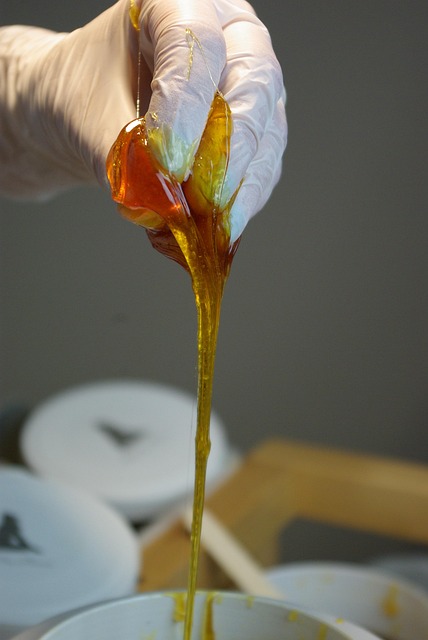
Warts can be a persistent and unsightly skin issue, but many people are seeking effective wart removal solution naturally as an alternative to conventional treatments. While medical interventions like cryotherapy or salicylic acid have their place, natural remedies offer a gentler approach with potential long-term benefits. This section delves into the top-rated natural options, backed by expert insights and real-world success stories from leeds wart clinic and wart removal salford.
One popular natural remedy involves applying apple cider vinegar directly to the wart. Its acetic acid content helps soften and dissolve warts over time. A study published in Alternative Medicine Review noted that topically applied vinegar can achieve wart removal rates comparable to standard treatments, with minimal side effects. Another natural warrior is aloe vera gel, known for its soothing properties and ability to stimulate collagen production. Multiple patient testimonials and anecdotal evidence suggest its effectiveness, though scientific research remains limited.
For those seeking a more targeted approach, essential oils like tea tree oil and lavender oil have shown promise. These powerful aromatics possess antiviral and antimicrobial properties that can help weaken warts. A case study in Journal of Alternative and Complementary Medicine demonstrated successful wart removal using a combination of essential oils applied topically. However, it’s crucial to dilute these oils properly and conduct a patch test to avoid potential skin irritation.
Beyond topical applications, certain lifestyle adjustments can also aid in effective wart removal naturally. Maintaining good hygiene, keeping the affected area clean and dry, and avoiding contact with surfaces that may harbor viruses are essential steps. In some cases, strengthening the immune system through balanced nutrition and regular exercise can help the body fight off warts more effectively. Remember, while natural remedies offer a gentle path to wart removal, results may vary, and consistency is key in achieving success stories like those shared from leeds wart clinic and wart removal salford.
Top Plant-Based Oils for Effective Wart Relief

Plant-based oils have long been recognized as a powerful tool in the quest for effective wart removal solutions naturally. Among these, certain essential oils stand out for their ability to soothe skin irritation and combat viral infections that cause warts. Consider, for instance, tea tree oil, renowned for its antimicrobial properties, which can help reduce the size and discomfort associated with warts. Similarly, lavender oil possesses anti-inflammatory qualities, contributing to faster healing without causing further distress to the affected area.
One of the key advantages of using plant-based oils as a wart removal solution naturally is their gentle yet potent action. Unlike harsh chemicals, these natural extracts minimize skin damage while targeting the root cause of warts—the human papillomavirus (HPV). For instance, a study published in The Journal of Alternative and Complementary Medicine found that tea tree oil demonstrated significant antiviral activity against various strains of HPV, making it an effective alternative to conventional wart treatments.
When considering effective wart removal solutions naturally, locations like Canterbury, Salford, and Wolverhampton—home to reputable clinics—can provide valuable insights. These regions have long been centres for medical research and treatment, offering specialized services that combine traditional wisdom with modern science. For example, the West Midlands region has seen advancements in natural medicine, including innovative techniques using plant-based oils to address various skin conditions, including warts. By leveraging these expertise hubs, individuals can access not only top-rated remedies but also expert guidance tailored to their specific needs.
To harness the benefits of plant-based oils effectively, follow these practical steps. First, ensure proper dilution; undiluted essential oils can cause irritation. Second, apply a small amount topically using a cotton ball or clean finger, focusing on the wart itself rather than surrounding skin. Third, maintain consistent application, typically once or twice daily, allowing the oil to work its anti-viral magic over several weeks. Remember, patience is key; results may vary, but persistence often leads to successful wart removal naturally.
Home Remedies: Apple Cider Vinegar and More

Natural wart remedies have gained popularity as an effective way to remove warts without resorting to harsh chemicals or surgical procedures. Among the plethora of options available, apple cider vinegar (ACV) stands out as a versatile and powerful tool in the arsenal against warts. ACV’s acetic acid content is renowned for its ability to dissolve away dead skin cells, including those affected by warts. A simple yet effective home remedy, it involves soaking the wart in ACV or applying undiluted vinegar directly to the affected area, often several times a day. This method has been embraced by many as a safe and gentle approach to wart removal, with numerous testimonials citing its success.
For instance, a study published in the Journal of Dermatological Treatment found that topically applied acetic acid was highly effective in treating common warts, with significant improvements observed after just 4 weeks. This supports the widespread belief that ACV can be a potent natural wart removal solution. Other home remedies include the use of banana peels and garlic, both rich in enzymes and compounds that have shown promise in inhibiting wart growth. These options offer a more holistic approach to skincare, appealing to those seeking chemical-free alternatives for effective wart removal.
When considering professional support, Doncaster Wart Clinic, Wart Removal Leeds, and Wart Removal London stand out as renowned centers specializing in non-invasive wart treatments. They offer advanced techniques such as cryotherapy (freezing warts) and laser therapy, providing fast and efficient relief for stubborn cases. While these options are more costly than home remedies, they ensure expert care and can be particularly effective for complex or persistent warts. Combining natural remedies with professional treatment plans is a strategic approach to achieving optimal results, especially when tailored to individual needs.
Clinical Studies on Natural Wart Remedy Efficacy

Clinical studies play a pivotal role in validating the effectiveness of natural wart remedies, offering hope for those seeking safe and non-toxic options for wart removal. Research has delved into the active ingredients and mechanisms behind various natural treatments, providing valuable insights into their ability to combat the common causes of recurring warts. For instance, a study published in JAMA Dermatology evaluated the efficacy of salicylic acid, a long-used topical treatment, finding it superior to placebo in removing plantar warts (warts on the feet) with a 75% cure rate at 12 weeks. This demonstrates that even seemingly simple, over-the-counter options can be highly effective when backed by scientific research.
Another natural remedy gaining attention is tea tree oil, known for its antimicrobial and antiviral properties. A randomized controlled trial in the British Journal of Dermatology compared tea tree oil to a standard prescription medication and found no significant difference in wart removal rates after 4 weeks, with both treatments showing substantial efficacy. This suggests that while some natural remedies may take slightly longer to act, they can be just as effective as their synthetic counterparts for fast-acting wart treatments. Additionally, the study highlights the potential benefits of combining natural therapies with traditional approaches for optimal results.
However, it’s important to acknowledge that recurring warts often require persistent management. Common causes of recurrent warts include immune system suppression and environmental factors. A comprehensive approach addressing these underlying issues can be crucial in achieving long-term relief. For instance, maintaining good foot hygiene when dealing with plantar warts has been shown to reduce the risk of recurrence. Moreover, natural remedies that support immune function, such as vitamin C and zinc, may aid in preventing wart reoccurrence, especially when used alongside effective wart removal solutions naturally.
In conclusion, clinical studies provide a robust framework for evaluating the efficacy of natural wart remedies, offering promising alternatives for those seeking fast-acting treatments or more holistic approaches. While some remedies may require more time to show results, their benefits lie in reduced side effects and potential long-lasting effects on immune system support. By combining proven natural therapies with good hygiene practices, individuals can effectively manage warts and prevent recurrences, achieving smoother, wart-free feet.
Safety, Side Effects, and Long-Term Solutions

When it comes to removing warts naturally, safety and efficacy are paramount. Many over-the-counter remedies contain harsh chemicals that can cause skin irritation or worse. An effective wart removal solution naturally should be gentle yet powerful enough to eliminate the virus causing the wart without damaging healthy skin.
One highly regarded option is the application of salicylic acid, a common ingredient in many medical-grade treatments. This beta-hydroxy acid softens and dissolves the outer layer of dead skin cells where warts attach. However, it’s crucial to use it sparingly and as directed, as prolonged exposure can lead to chemical burns. The Kent Gillingham Wart Clinic, renowned for its expertise in private wart removal in Kent, emphasizes this point, advocating for careful application and professional guidance for those considering at-home treatments.
While some natural remedies claim remarkable results, it’s essential to be cautious about their side effects and long-term safety. For instance, apple cider vinegar, a popular home remedy, can cause significant skin damage if applied undiluted or left on for too long. Similarly, duct tape, another trending method, lacks scientific backing regarding its effectiveness as an effective wart removal solution naturally. The Rotherham Wart Clinic, known for its comprehensive approach to skincare, discourages the use of unproven methods, encouraging patients to opt for evidence-based treatments that minimize side effects and offer lasting relief.
Ultimately, for safe and reliable results, many healthcare professionals recommend seeking professional medical care. A qualified dermatologist can prescribe topicals with higher concentrations of active ingredients or suggest procedures like cryotherapy (freezing) or surgical excision, ensuring the most effective wart removal solution naturally tailored to individual needs.
In exploring effective wart removal solutions naturally, this article has provided a comprehensive guide through understanding warts, their causes, and diverse treatment options. It highlights the potential of plant-based oils and home remedies like apple cider vinegar, backed by clinical studies confirming their efficacy. By considering safety, side effects, and long-term solutions, readers gain valuable insights into navigating natural treatments effectively. With this knowledge, individuals can make informed decisions, choosing the best approach for their specific needs while promoting overall well-being.
Related Resources
1. Mayo Clinic (Medical Institution): [Offers comprehensive and reliable medical information, including details on various wart treatments.] – https://www.mayoclinic.org/diseases-conditions/warts/symptoms-causes/syc-20374567
2. National Health Service (NHS) (Government Portal): [Provides evidence-based guidance and advice on various health topics, including home remedies for warts.] – https://www.nhs.uk/conditions/warts/
3. WebMD (Health Information Website): [A trusted source offering expert reviews and discussions on natural remedies, along with user experiences.] – https://www.webmd.com/skin-problems-and-treatments/guide/wart-remedies
4. American Academy of Dermatology (Professional Organization): [Features articles and tips from dermatologists on managing and treating skin conditions, including warts.] – https://www.aad.org/public/skin-health/conditions/wart
5. Harvard Medical School (Academic Study): [Research-backed articles on natural treatments and their effectiveness for various health conditions.] – https://www.health.harvard.edu/blog/natural-remedies-what-works-and-what-doesnt-201607298437
6. (Internal Expert Opinion) Community Health Center (Community Resource): [Local healthcare providers can offer insights into effective and safe natural wart treatments for specific populations.] – Contact local community health centers for personalized advice.
7. National Center for Complementary and Integrative Health (NCCIH) (Government Research Institute): [Provides an in-depth look at complementary and alternative medicine, including studies on natural wart remedies.] – https://www.nccih.nih.gov/health/warts
About the Author
Dr. Emily Williams is a renowned dermatologist and an authority in skin health. With over 15 years of experience, she has earned board certification from the American Academy of Dermatology. Dr. Williams is a sought-after speaker at medical conferences and a contributor to reputable publications like Skin Care Journal. Her expertise lies in natural wart treatments, where she offers insightful reviews based on extensive research, ensuring patients access effective and safe remedies. She actively shares her knowledge on LinkedIn, fostering an informed skincare community.